


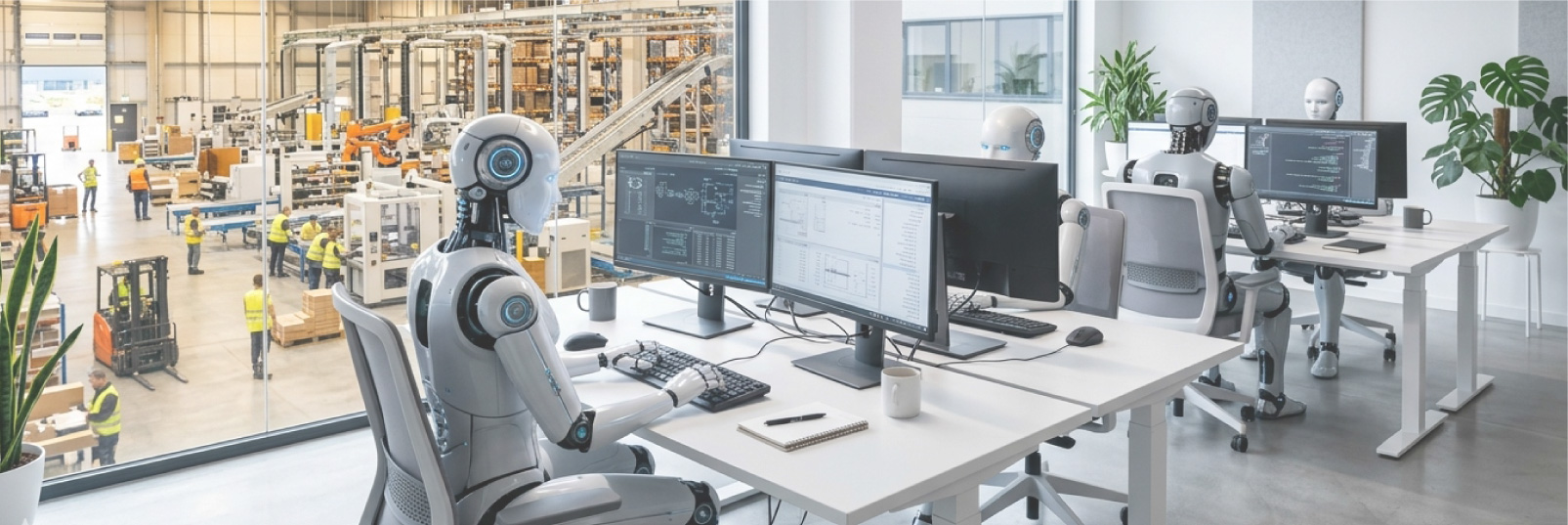
Agentic AI is the capability, approach, or property of a complete system. It does not refer to a single agent, but to the methodology of designing systems where AI operates with autonomy, proactivity, persistence, and adaptability.
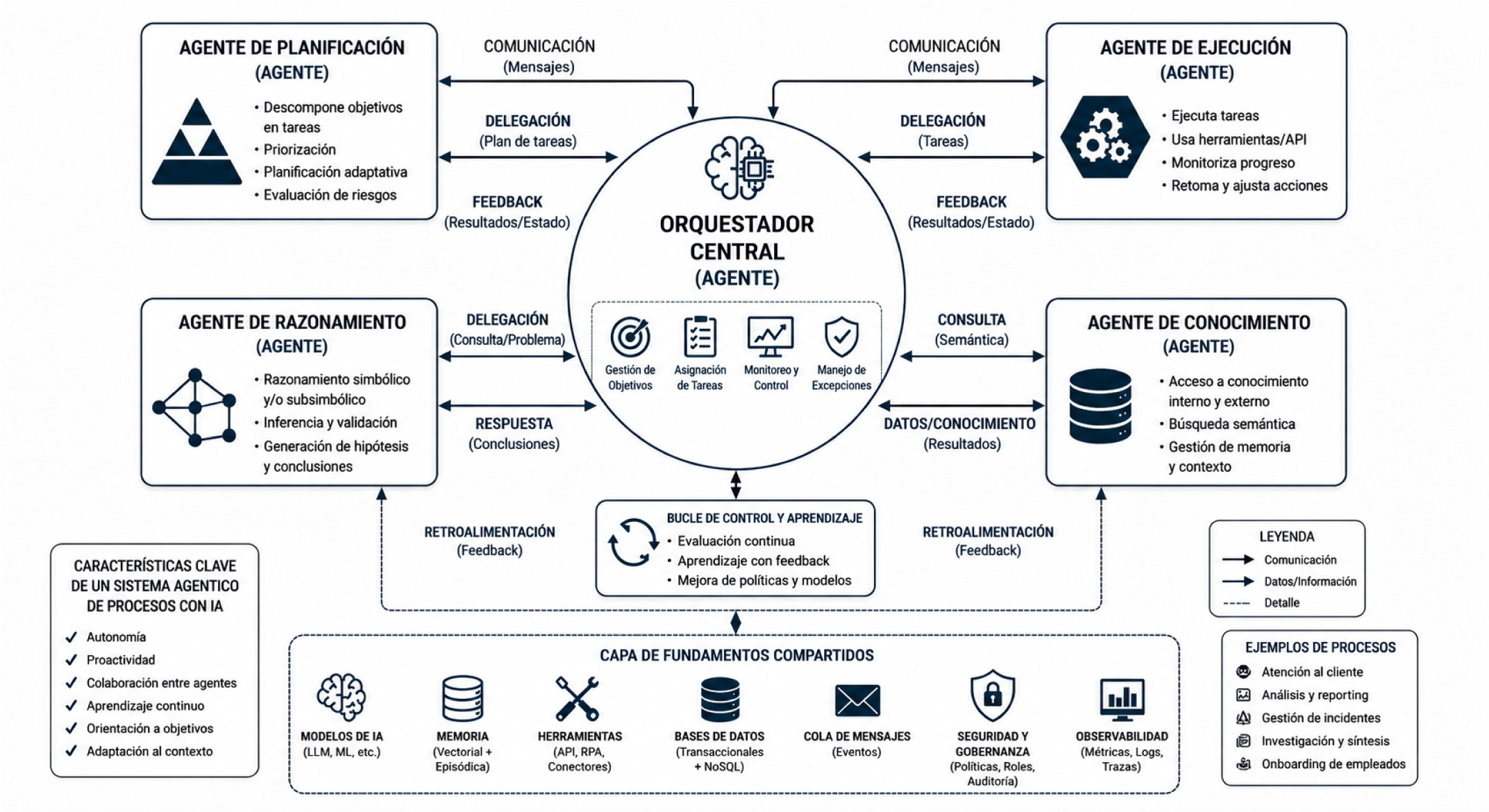
At DM4 we build agentic systems where multiple AI agents work in coordination, under a single orchestration.
One captures the information, another validates it, another executes the action, another confirms the result.
Each with its own role, no bottlenecks, no dependency on someone being available.
These are some processes we have running with our clients:

The agent receives the contact, enriches it with external data, scores it against your actual criteria, and assigns it to the right salesperson — all before your team opens their email in the morning.

Immediate responses to frequent queries, automatic escalation when the situation calls for it, and logging in your system — without anyone coordinating it.

Reports, document validation, reconciliations, notifications, and approval flows that today depend on someone remembering to run them.

Agents that watch your metrics and alert you when something goes out of range — before you find out the hard way.

An employee works eight hours, makes mistakes when overloaded, and costs the same in slow months as in high-volume ones.
An agent doesn't have those problems. It works when needed, scales with your demand, and doesn't make the kind of mistakes that come from doing the same thing 40 times in a row.
Your team is still your team. But they stop spending time on what can be done without them.
First, we understand your process as it exists today: where time is being lost, where errors occur, and where dependencies on one or more people exist.
From there, we design the architecture: which agents are needed, how they communicate, and which systems they need to connect to.
We build, test with real data, and adjust until the system behaves the way you need it to — not the way we imagined it should work.
Then we deploy it to production with continuous monitoring and support.
If your operation has processes that repeat frequently, involves information flowing in and out of more than one system, and depends on someone being available to run them — it's worth reviewing what can be automated.
You don't need to be a large company. You need clear processes and the willingness to make them work better.